Introduction
Master top communication skills are the keys to achievement in the modern competitive working world. From acing a high-stakes interview to dealing with office politics, learning to master how you communicate verbally and non-verbally can make or break your professional career. In 2025 and beyond, employers are no longer seeking technologically competent professionals alone but also people capable of active listening, conveying ideas effectively, and creating collaboration.
With remote and hybrid workspaces being the new standard, communication has never played a bigger role. In this blog, we’ll go in-depth into the best communication skills that will make you excel in job interviews and succeed in your office. We will discuss some essential skills for job interviews, some key workplace communication techniques, and some tips on how to develop these skills in the long term.
Communication Skills for Interviews
Top-notch communication skills are needed to ace interviews. Your resume may get you an interview appointment, but it’s the way you communicate during the interview that usually makes you land the job. Employers aren’t only evaluating your experience—they’re paying very close attention to how well you communicate. From your tone and clarity to your body language and listening, every detail of your communication is critical.
Let’s look at the best communication skills for interviews that will enable you to leave a lasting impression.
1. Active Listening
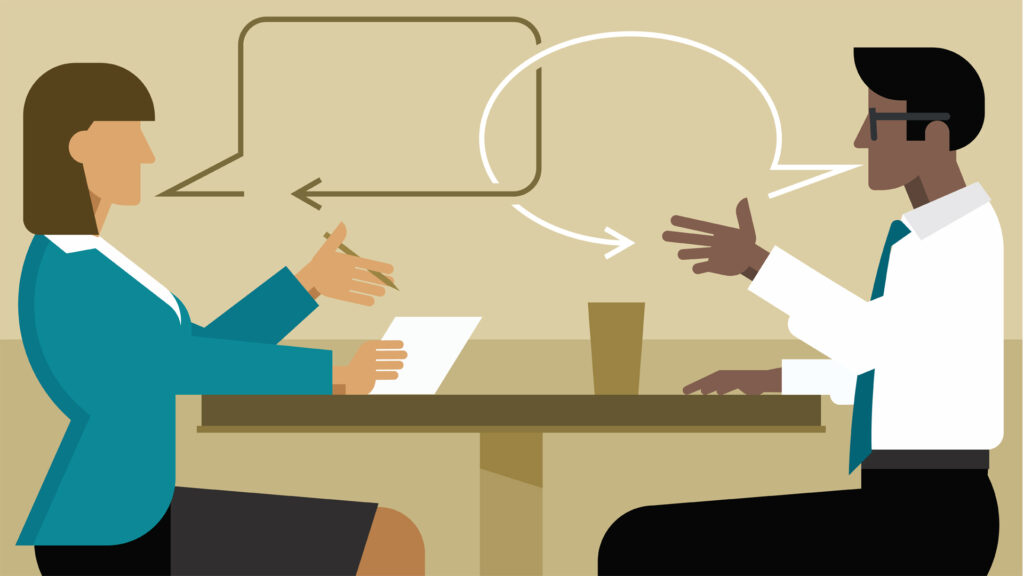
Excellent communication begins with listening. Active listening is not merely hearing the words—it’s fully engaging in the conversation. That involves eye contact, nodding, summarizing what’s being said, and thoughtful response.
Why It Matters:
Employers want employees who not only can clearly express their thoughts but also comprehend and respect other people’s ideas. Active listening reflects emotional maturity, respect, and a team-based attitude—all essential for teamwork.
How to Enhance:
- Maintain consistent eye contact without staring.
- Paraphrase major points to make sure they are understood.
- Pause before answering to reflect.
- Do not interrupt or mentally prepare your response as the interviewer talks.
2. Clear and Concise Speaking
One of the most effective communication skills to master for interviews is the skill of explaining your ideas succinctly and directly. Interviewers value well-framed answers and hate fluff. Steer clear of jargon or excessively technical terms unless they apply to the job.
Pro Tip:
Apply the STAR method—Situation, Task, Action, Result—to structure your responses in a logical order. This keeps you on track and able to show your worth effectively.
How to Practice:
- Conduct mock interviews with a mentor or coach.
- Record yourself giving standard interview answers.
- Time your answers to make them 1–2 minutes in length per question.
3. Storytelling Skill
More people will remember your stories than the facts. Sharing a great experience story from your work history can set you apart. Tell a story about a problem you encountered, the actions you took to fix it, and the result.
Why It’s One of the Top Communication Skills:
Storytelling demonstrates self-awareness, creativity, and the skill to link your ability to the work. Storytelling fosters rapport and makes your success easier to relate to.
Quick Tips:
- Make the story job-related.
- Emphasize quantifiable results (e.g., “grew sales by 30%”).
- Finish with what you learned or how it prepared you for this new position.
4. Non-Verbal Communication
Non-verbal communication—posture, gestures, facial expressions—plays a very important role in how you come across. Even in online interviews, body language tells a lot.
How to Master Non-Verbal Communication:
- Sit straight and appear interested.
- Smile genuinely to show positivity.
- Do not fidget or cross your arms.
5. Confidence with Humility
Confidence is important but excessive confidence can be a turn-off. Find a balance by stating your achievements clearly and also being transparent about areas where you’re still learning.
Top communication skills like self-awareness and humility indicate that you’re coachable and a team player.
Ways to Show It:
- Say “I’m proud of this achievement, but I’m always learning.”
- Avoid bragging—let your results speak for themselves.
- Acknowledge your team’s contribution in group efforts.
During interviews, having these best communication skills mastered will not only get you through questions successfully but also provide you with a good professional working relationship with the interviewer. Your words, tone, and actions all contribute to telling your own story—so ensure they all show your best self.
Communication Skills for the Workplace
Top communication skills are essential not only during job interviews but also for sustained success in the workplace. Once you’re hired, your ability to interact clearly, respectfully, and professionally directly affects team productivity, client satisfaction, and your personal career growth. From daily conversations and team meetings to leadership presentations and digital messaging, mastering top communication skills will give you a competitive edge in 2025 and beyond.
Whether you’re working in-office, from home, or in a hybrid arrangement, your communication style dictates how well you’re heard—and how well you hear others. Let’s discuss the ten best communication skills professionals need to cultivate to succeed in today’s new workplace.
1. Emotional Intelligence
One of the most effective communication skills distinguishing star professionals is emotional intelligence (EQ)—the capacity to recognize, understand, and manage your own and others’ emotions. It empowers you to establish rapport, sidestep unnecessary conflict, and deal with team relationships empathetically.
Example: A team leader who sees that an employee is at capacity can step in ahead of time, lend support, and change deadlines—averting burnout and enhancing team morale.
Quick Tip: Listen actively, pay attention to body language, and respond in consideration to emotional signals.
2. Constructive Feedback
A strong skill to have is giving and receiving constructive feedback as a sign of healthy workplace communication. Good communicators avoid avoiding tough conversations—they face them with candor and compassion.
Best Practices:
- Deal in actions, not character.
- Employ the “feedback sandwich”: begin with praise, share constructive criticism, close with encouragement.
- Request regular feedback and demonstrate how you implement it.
Top communication skills such as this establish trust and demonstrate you’re interested in shared development.
3. Written Communication
In workspaces where the digital reigns, written communication surpasses spoken interactions. Emails, Slack messages, memos, and reports are ubiquitous—and clarity is mandatory.
How to Enhance Written Communication:
- Steer clear of jargon and long paragraphs.
- Employ the use of bullet points and headers for easy readability.
- Proofread for grammar and tone.
Having the ability to communicate your ideas effectively in written form is one of the most important communication skills that keep your messages from getting lost or misinterpreted.
4. Presentation Skills
Speaking with confidence in front of your team, executives, or customers is an essential in-the-workplace skill. Your presentation-facilitating abilities affect how your ideas are received and whether they translate into action.
Essentials of Effective Presentations:
- Have a logical sequence: introduction, key points, conclusion.
- Accompany your message with visuals (slides, charts, infographics).
- Use assertive body language and voice tone.
Top communication skills such as presentation skills can make you a thought leader in your organization.
5. Cross-Cultural Communication
Today’s workplaces are international. The ability to communicate respectfully across cultures is instrumental in preventing misunderstandings and creating collaboration.
Hints for Enhancing Cross-Cultural Communication:
- Get familiar with colleagues’ cultural customs and practices.
- Speak slowly and refrain from the use of idioms and slang.
- Ask clarifying questions when in doubt.
This is one of the top communication skills that promotes inclusivity and builds stronger international teams.
6. Conflict Resolution
Disagreements are inevitable. What sets professionals apart is how they navigate and resolve conflict without escalating tension.
Key Conflict Resolution Techniques:
- Stay calm and focus on facts.
- Acknowledge other perspectives.
- Seek win-win outcomes through compromise.
This ability is critical among the most important communication skills since it keeps teams on track and productive, even when under pressure.
7. Transparency and Honesty
Telling your teammates and managers directly—whether it’s that you missed a deadline, have a concern, or made a mistake—shows maturity and inspires confidence.
Pro Tip: Always couple honesty with accountability. When you’re behind on an assignment, be transparent about why and provide an updated timeline or solution.
Top communication skills like these not only boost your personal reputation but also contribute to a transparent workplace culture.
8. Adaptability in Communication Style
Not everyone communicates the same way, and knowing how to adjust your tone and language based on the audience is crucial.
Example: Your tone in a client email should be formal and polished, while your tone in a team chat can be more casual yet respectful.
Greatest communication skills include being aware of when to transition from elaborate descriptions to brief summaries, formal to informal tone, based on the situation.
9. Digital Communication Manners
In 2025, successful professionals are proficient in digital communication manners—they know how to utilize tools such as Zoom, Slack, Teams, and email correctly.
Best Practices:
- Reply quickly to messages.
- Don’t overuse emojis or GIFs in the workplace.
- Mute while not talking during virtual meetings.
- Keep your digital profiles and calendar up to date.
These subtleties are some of the top communication skills for success in a hybrid or entirely remote work environment.
10. Mastering Team Collaboration Tools
This is technical-sounding, perhaps, but understanding how to effectively leverage communication and collaboration tools is an underappreciated soft skill. Tools such as Notion, Microsoft Teams, Trello, or Google Workspace are at the heart of contemporary workflows.
Why It Matters:
- Avoids breakdowns in communication.
- Saves time and gets everyone on the same page.
- Eliminates email clogging by congregating updates.
Professionals mastering these tools are the best examples of one of the key communication competencies in technology-enabled organizations.
In today’s fast-paced, digital, and collaborative work environment, a serious investment in top communication skills is not optional—it’s critical. They not only get you into the job but keep you there, grow you in it, and make you thrive within your team. Whether it is resolving conflict, giving feedback, or adapting tone for a global audience, these ten skills form the core of modern professional success.
If you’re serious about building a long-term career, start by sharpening your communication—because how you say something is often just as important as what you say.
Final Thoughts: Why Communication Skills Are the Ultimate Career Tool
Final Thoughts: Why Communication Skills Are the Ultimate Career Tool
Top communication skills are greater than a job requirement—it’s the foundation of successful interviews, successful careers, and healthy workplace relationships. Heading further into the future of work, these skills mastered will be your greatest competitive advantage.
Whether you’re interviewing for your next job or rising through the ranks in your career, spending money on best communication skills is not an option in 2025. They help you connect, collaborate, and lead—regardless of your profession.
Action Steps to Enhance Your Communication Now:
- Record and listen back to yourself in mock interviews
- Enroll in an online course in communications (LinkedIn Learning, Coursera)
- Participate in a local or online Toastmasters group
- Get continuous feedback from colleagues or mentors
- Write daily in a blog or journal
In a connection- and collaboration-driven world, the best communication skills are your passport to enduring success—right from the time of your initial job interview to becoming an emerging leader.